

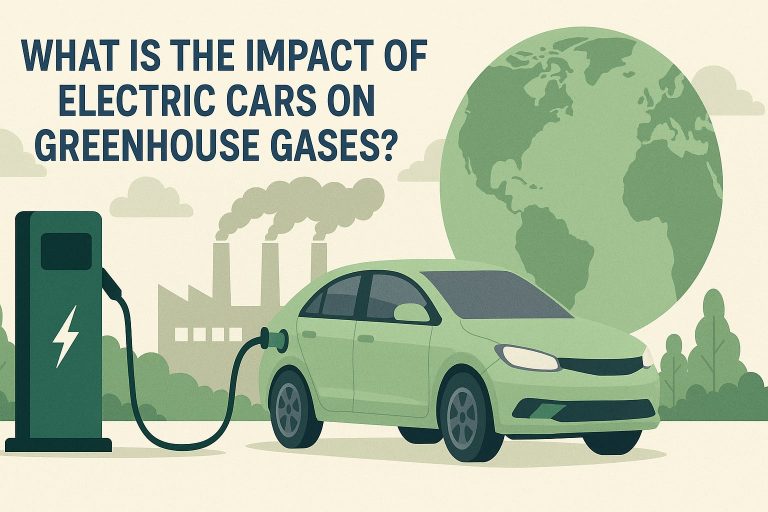
Electric cars are becoming more common on roads around the world. As concerns about climate change grow, many people are asking an important question: do electric cars actually reduce greenhouse gases?
Understanding the answer can help you make a smarter and more environmentally responsible decision.
What Are Greenhouse Gases?
Greenhouse gases are gases that trap heat in the Earth’s atmosphere, causing global warming and climate change. The most common greenhouse gases include:
- Carbon dioxide (CO2)
- Methane (CH4)
- Nitrous oxide (N2O)
These gases are mainly produced by burning fossil fuels such as coal, oil, and natural gas.
How Do Cars Contribute to Greenhouse Gases?
Traditional gasoline and diesel cars burn fuel to generate energy. This process releases carbon dioxide and other harmful gases into the atmosphere.
Transportation is one of the largest sources of greenhouse gas emissions globally. The more fuel a vehicle burns, the more emissions it produces. This is why changing how we travel plays a key role in reducing environmental damage.
What Are Electric Cars?
Electric cars run on electricity instead of fuel. They use rechargeable batteries to power an electric motor, eliminating the need for combustion.
Because of this, electric vehicles produce no direct emissions while driving, making them a cleaner alternative to traditional cars.
Do Electric Cars Produce Greenhouse Gases?
Electric cars do not produce greenhouse gases while being driven. However, emissions can still occur during:
- Electricity generation
- Battery manufacturing
If electricity comes from fossil fuels like coal or gas, some emissions are created. However, if it comes from renewable sources such as solar, wind, or hydro power, emissions are significantly reduced.
Electric Cars vs Gas Cars: Which Is Cleaner?
When comparing electric and gasoline cars, it is important to consider their entire lifecycle, including manufacturing, driving, and disposal.
- Gasoline cars produce high emissions continuously through fuel combustion
- Electric cars may have higher emissions during battery production, but much lower emissions during use
Overall, electric cars produce fewer greenhouse gases over their lifetime, even when charged with non-renewable electricity.
How Electricity Source Affects Emissions
The environmental impact of electric cars depends heavily on how electricity is generated.
- Coal-based electricity produces high emissions
- Natural gas produces moderate emissions
- Renewable energy produces little to no emissions
Countries with cleaner energy systems see greater environmental benefits from electric vehicles.
Battery Production and Environmental Impact
Electric car batteries require materials such as lithium, cobalt, and nickel. Mining and manufacturing these materials can create emissions.
However, this impact is mostly a one-time cost. Over time, electric cars offset these emissions through cleaner operation.
Battery recycling and improved technology are helping reduce this environmental impact further.
Benefits of Electric Cars for Reducing Greenhouse Gases
Electric vehicles offer several key advantages:
- Zero tailpipe emissions during driving
- Lower total emissions over their lifetime
- Ability to use renewable energy sources
- Support for clean energy development
Challenges and Considerations
While electric cars are a cleaner option, they are not perfect. Some challenges include:
- Emissions from battery production
- Dependence on electricity sources
- Charging infrastructure limitations
- Battery recycling requirements
Despite these challenges, electric vehicles remain a better choice for reducing greenhouse gases compared to traditional cars.
Future Outlook
The future of electric cars looks promising. Governments and industries are investing in:
- Cleaner energy production
- Better battery technology
- Expanded charging infrastructure
As these improvements continue, electric cars will become even more environmentally friendly.
Summary
Electric cars help reduce greenhouse gas emissions by eliminating fuel combustion during driving. While some emissions occur during production and electricity generation, overall emissions are significantly lower than those of gasoline vehicles.
The environmental benefits increase even more when electric cars are powered by renewable energy.
Switching to electric vehicles is a meaningful step toward reducing climate change and creating a more sustainable future.
Frequently Asked Questions
Do electric cars reduce greenhouse gas emissions?
Yes, they produce significantly fewer emissions compared to gasoline vehicles.
Do electric cars have zero carbon footprint?
No, emissions still occur during battery production and electricity generation.
Can electric cars help fight climate change?
Yes, they reduce overall greenhouse gas emissions and support cleaner energy use.
How much less CO2 do electric cars emit?
Electric cars can emit up to 50% less CO2 over their lifetime compared to gas cars.
