

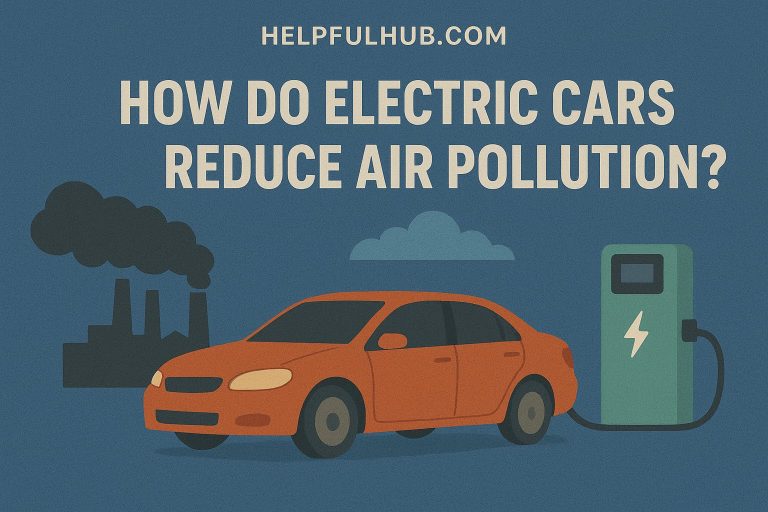
Caring for the environment starts with the choices we make every day. One of the most impactful decisions is how we travel. Switching to an electric car is a powerful way to reduce pollution, save energy, and create a cleaner future.
But how exactly do electric cars help protect the environment? This guide explains the key ways electric vehicles (EVs) contribute to a healthier planet.
Electric Cars and Emission Reduction
Electric cars play a major role in reducing harmful emissions. Unlike traditional vehicles that burn fuel, EVs run on electricity and produce no exhaust gases.
Lower Tailpipe Emissions
Electric vehicles generate zero tailpipe emissions. This means they do not release harmful pollutants such as carbon monoxide, nitrogen oxides, or particulate matter.
As a result:
- Air quality improves in cities
- Smog and pollution decrease
- Health risks related to air pollution are reduced
Reduced Greenhouse Gas Emissions
Gas-powered vehicles release carbon dioxide (CO2), a major contributor to climate change. Electric cars significantly reduce these emissions.
Even when powered by electricity from mixed sources, EVs typically produce fewer greenhouse gases than conventional cars. When charged using renewable energy, their environmental impact becomes even lower.
Energy Efficiency Benefits
Electric cars are far more energy-efficient than gasoline vehicles.
Higher Energy Conversion Efficiency
Electric motors convert around 85–90% of energy into movement, while gasoline engines only convert about 20–30%. This means less energy is wasted and more is used for driving.
Regenerative Braking
Electric cars use regenerative braking systems that capture energy during braking and return it to the battery. This:
- Improves overall efficiency
- Extends driving range
- Reduces wear on brake components
Renewable Energy Integration
Electric vehicles can be powered by clean energy sources, making them even more environmentally friendly.
Charging with Renewable Energy
EVs can be charged using solar or wind power, reducing dependence on fossil fuels. This helps:
- Lower carbon emissions
- Promote clean energy use
- Support sustainable energy systems
Smart Grid Technology
Modern smart grids allow electric cars to charge when clean energy is available. Some systems even allow vehicles to send energy back to the grid, improving energy efficiency and stability.
Reducing Air Pollution
Electric cars help improve air quality, especially in urban areas.
Cleaner Urban Air
Since EVs do not produce exhaust emissions, they reduce:
- Carbon monoxide
- Nitrogen oxides
- Fine particulate matter
This leads to cleaner air and a healthier environment.
Health Benefits for Communities
Cleaner air results in:
- Fewer respiratory diseases
- Lower risk of heart conditions
- Improved overall public health
Reducing pollution also lowers healthcare costs and improves quality of life.
Materials and Battery Recycling
Electric car batteries require careful handling, but they also offer opportunities for sustainability.
Sustainable Battery Production
Manufacturers are increasingly using recycled materials and energy-efficient processes to reduce environmental impact during production.
Recycling and Reuse
EV batteries can be recycled to recover valuable materials like lithium and cobalt. They can also be reused for energy storage systems, extending their lifespan and reducing waste.
Supporting Sustainable Transportation
Electric cars contribute to a broader shift toward sustainable transportation systems.
Integration with Public Transport
Electric vehicles complement public transport by improving last-mile connectivity. They also support cleaner transit systems, such as electric buses and trains.
Car Sharing and Ride Services
Electric car-sharing programs reduce the number of vehicles on the road. This helps:
- Lower emissions
- Reduce traffic congestion
- Optimize resource use
Frequently Asked Questions
How do electric cars reduce air pollution?
They produce zero tailpipe emissions, eliminating many harmful pollutants that damage air quality.
Do electric cars reduce greenhouse gases?
Yes, they emit significantly less CO2 compared to gasoline vehicles, especially when powered by renewable energy.
Are electric cars more energy-efficient?
Yes, electric motors use energy much more efficiently than internal combustion engines.
Can electric cars use renewable energy?
Yes, they can be charged with solar, wind, or other renewable energy sources.
Conclusion
Electric cars offer a practical and effective way to protect the environment. They reduce pollution, improve energy efficiency, and support the use of renewable energy.
By choosing an electric vehicle, you contribute to cleaner air, healthier communities, and a more sustainable future. Even small changes in how we travel can make a significant difference for the planet.
